
World-Class
Infrastructure
Advanced facilities designed to deliver exceptional patient care, combining cutting-edge technology with a profound commitment to compassionate healing.
100+
Beds Capacity
24/7
Emergency Care
10+
Critical Care Units
2
Operation Theaters
Our Facilities
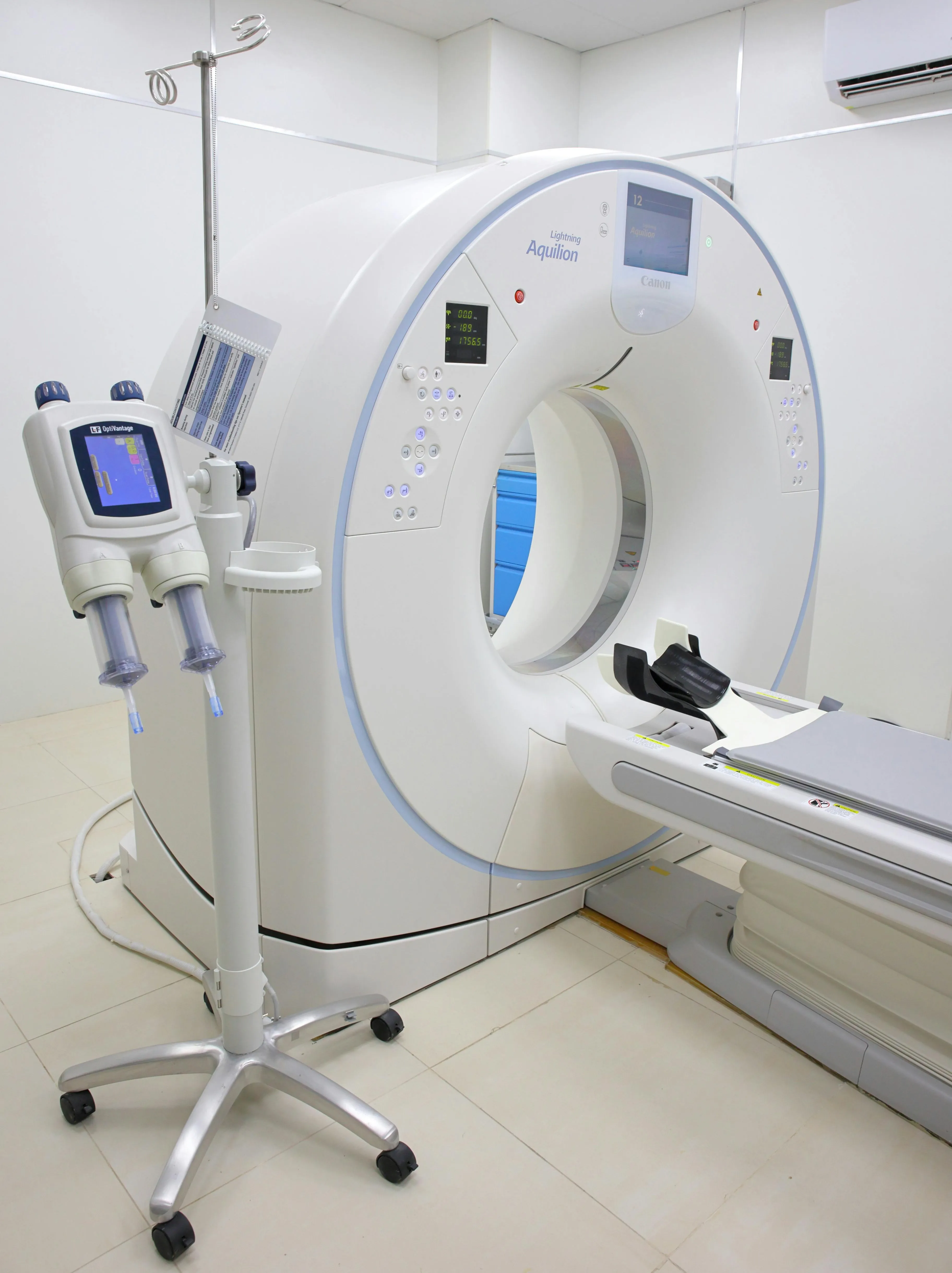
CT Scan & USG Scan
RR Chola Hospital offers advanced CT Scan and Ultrasound (USG) services for accurate diagnosis and effective treatment planning. Our modern imaging technology helps detect various medical conditions quickly, ensuring quality healthcare and better patient outcomes. Available with expert medical support and reliable reporting.
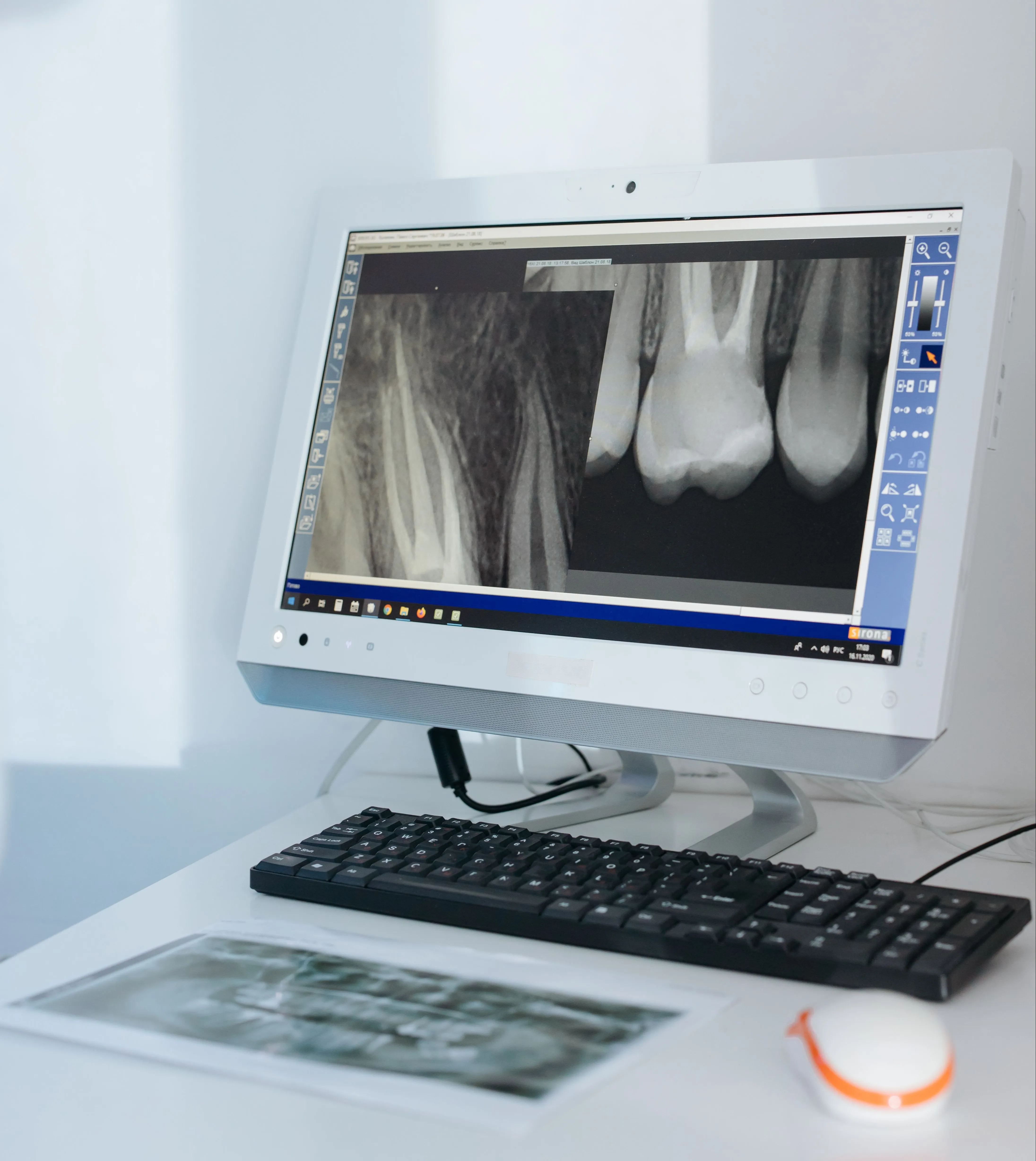
Digital X-Ray
RR Chola Hospital provides advanced Digital X-Ray services for quick and accurate diagnosis of fractures, chest conditions, joint problems, and various medical conditions. Our modern imaging technology ensures high-quality results with minimal waiting time.
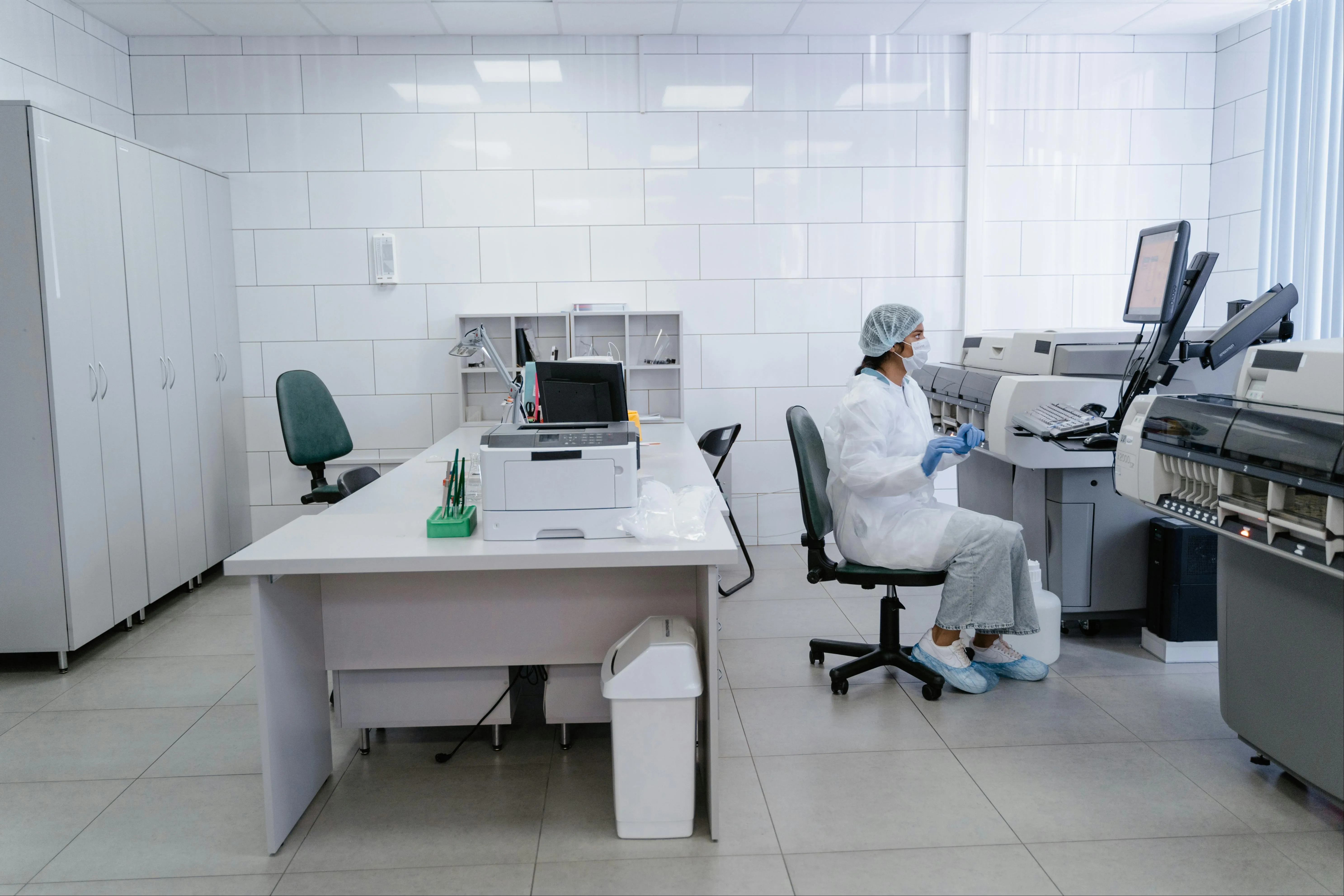
Advanced Laboratory Services
RR Chola Hospital offers comprehensive laboratory services with accurate and timely diagnostic testing. Our well-equipped laboratory supports routine health screenings, blood tests, and specialized investigations to assist doctors in delivering effective treatment and quality patient care.
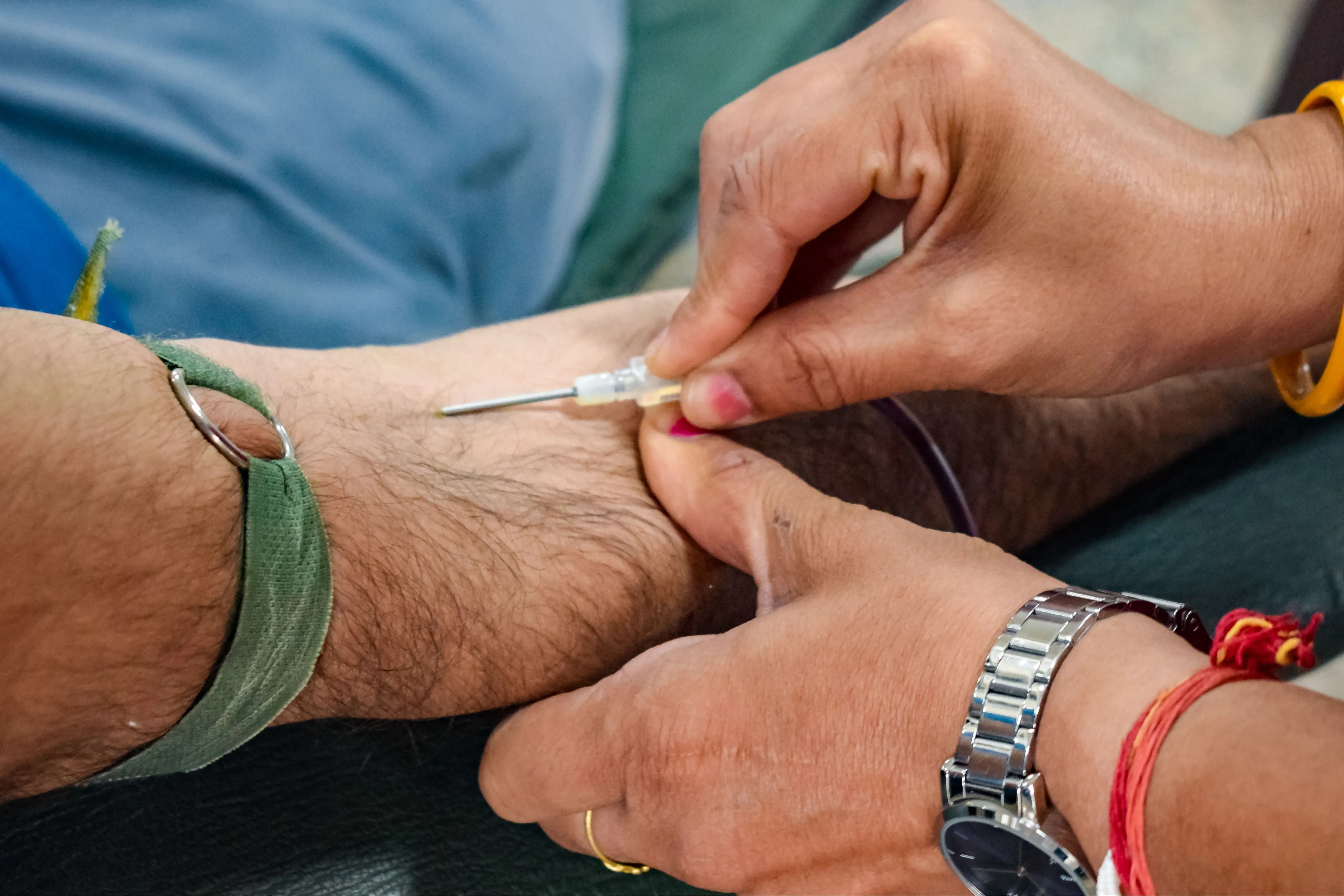
Dialysis Care Services
RR Chola Hospital provides safe and reliable dialysis treatment for patients with kidney-related conditions. Our dedicated dialysis unit is equipped with modern technology and experienced healthcare professionals to ensure comfortable, effective, and quality patient care.
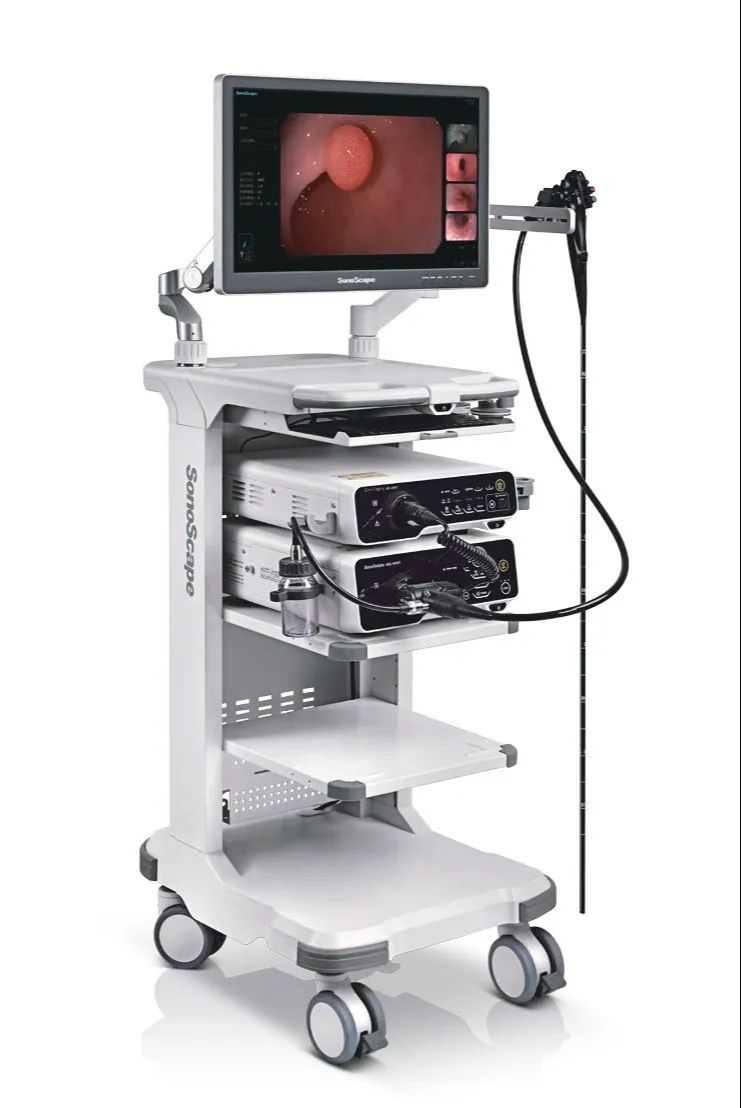
ENDOSCOPY
During an endoscopy, the endoscope is inserted through a natural body opening (such as the mouth, nose, or anus) or through a small surgical incision. The camera provides real-time images of internal organs and tissues, enabling doctors to examine structures that cannot be seen from outside the body.
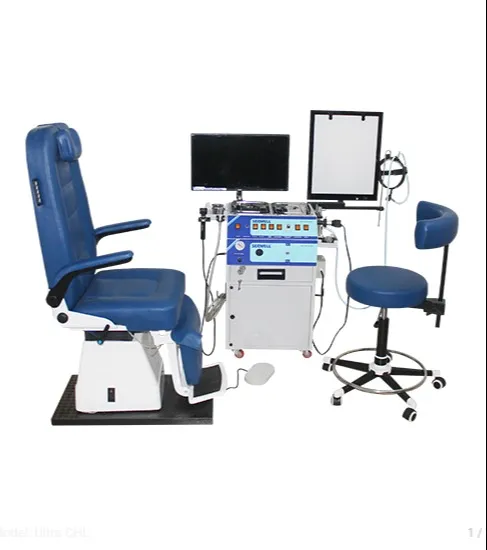
ENT
ENT is a medical specialty focused on the diagnosis and treatment of conditions affecting the ears, nose, throat, and related structures of the head and neck. Doctors in this field are called otolaryngologists (ENT specialists).
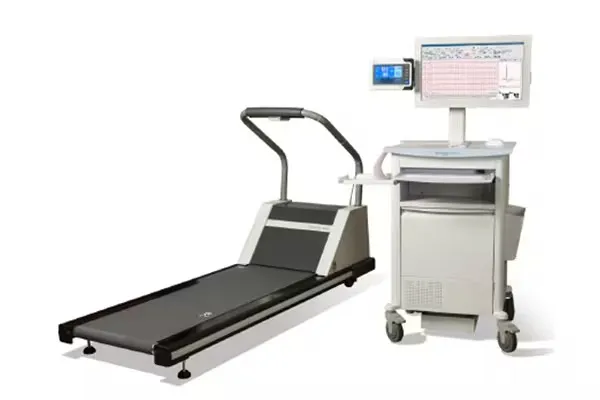
TMT
A TMT is a cardiac diagnostic test used to evaluate how well the heart functions during physical activity. While the patient walks on a treadmill with gradually increasing speed and incline, the heart's electrical activity is continuously monitored using an ECG, along with heart rate, blood pressure, and symptoms.
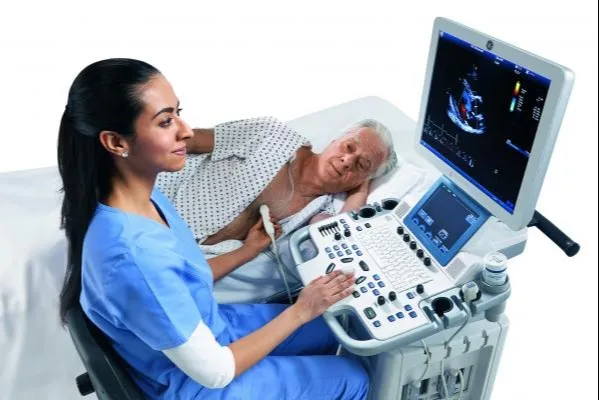
ECHO
An echocardiogram is a non-invasive imaging test that uses ultrasound waves to create moving pictures of the heart. It helps doctors assess the structure and function of the heart.
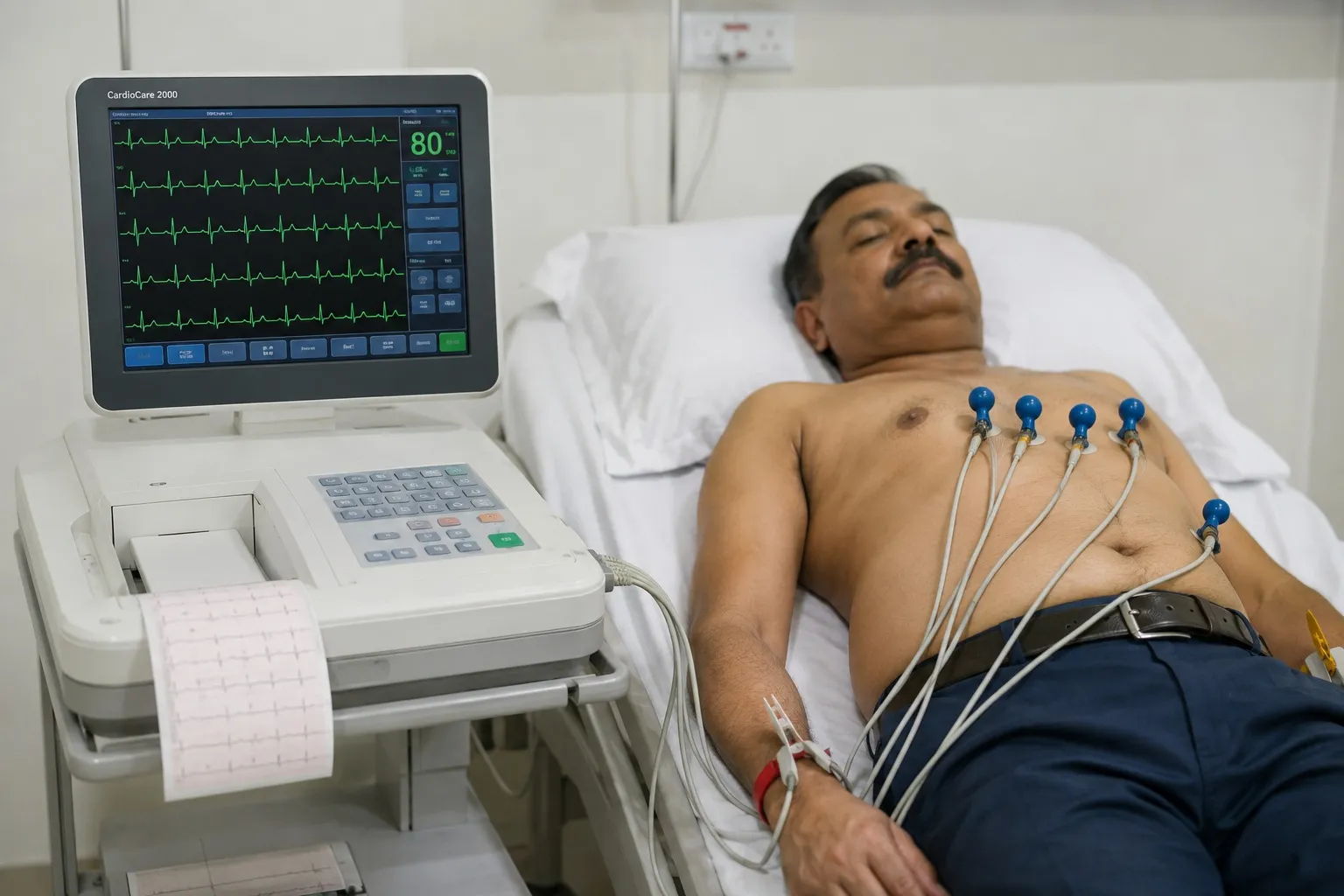
ECG
An Electrocardiogram (ECG) is a non-invasive diagnostic test used to record the electrical activity of the heart. It helps healthcare professionals assess heart rhythm, heart rate, and detect various cardiac abnormalities. In the image, a patient is lying comfortably on an examination bed while multiple electrodes are attached to the chest and limbs. These electrodes are connected to an ECG machine through lead wires. The ECG machine records the heart's electrical signals and displays them as waveforms on the monitor. A paper printout of the ECG tracing is also generated for medical analysis and record keeping.
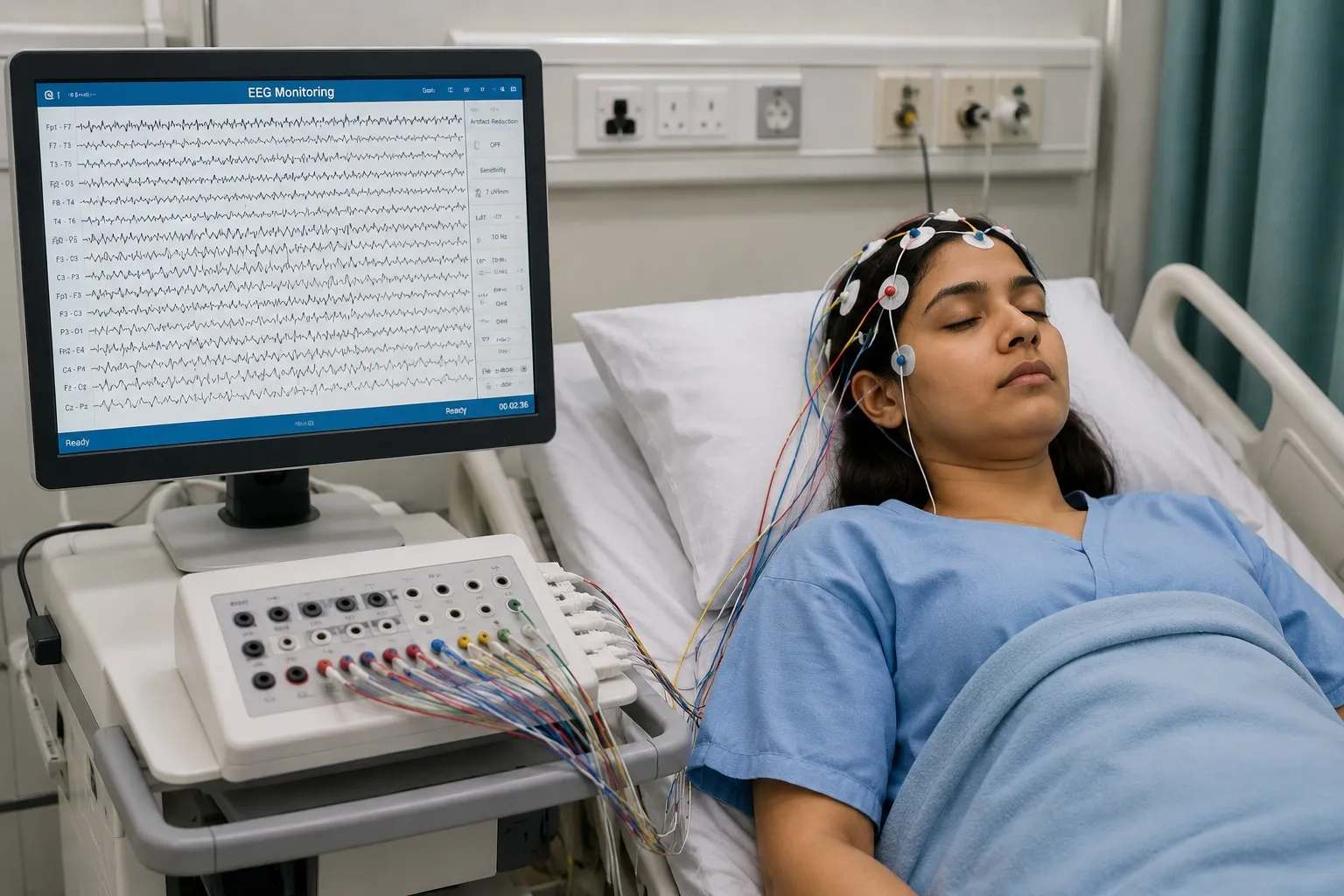
EEG
An Electroencephalography (EEG) test is a non-invasive diagnostic procedure used to record the electrical activity of the brain. It helps neurologists evaluate brain function and diagnose various neurological disorders. In the image, a patient is resting comfortably on a hospital bed while multiple electrodes are attached to the scalp. These electrodes are connected by wires to an EEG recording system. The EEG machine amplifies and records the brain's electrical signals, displaying them as waveforms on a monitor for analysis.
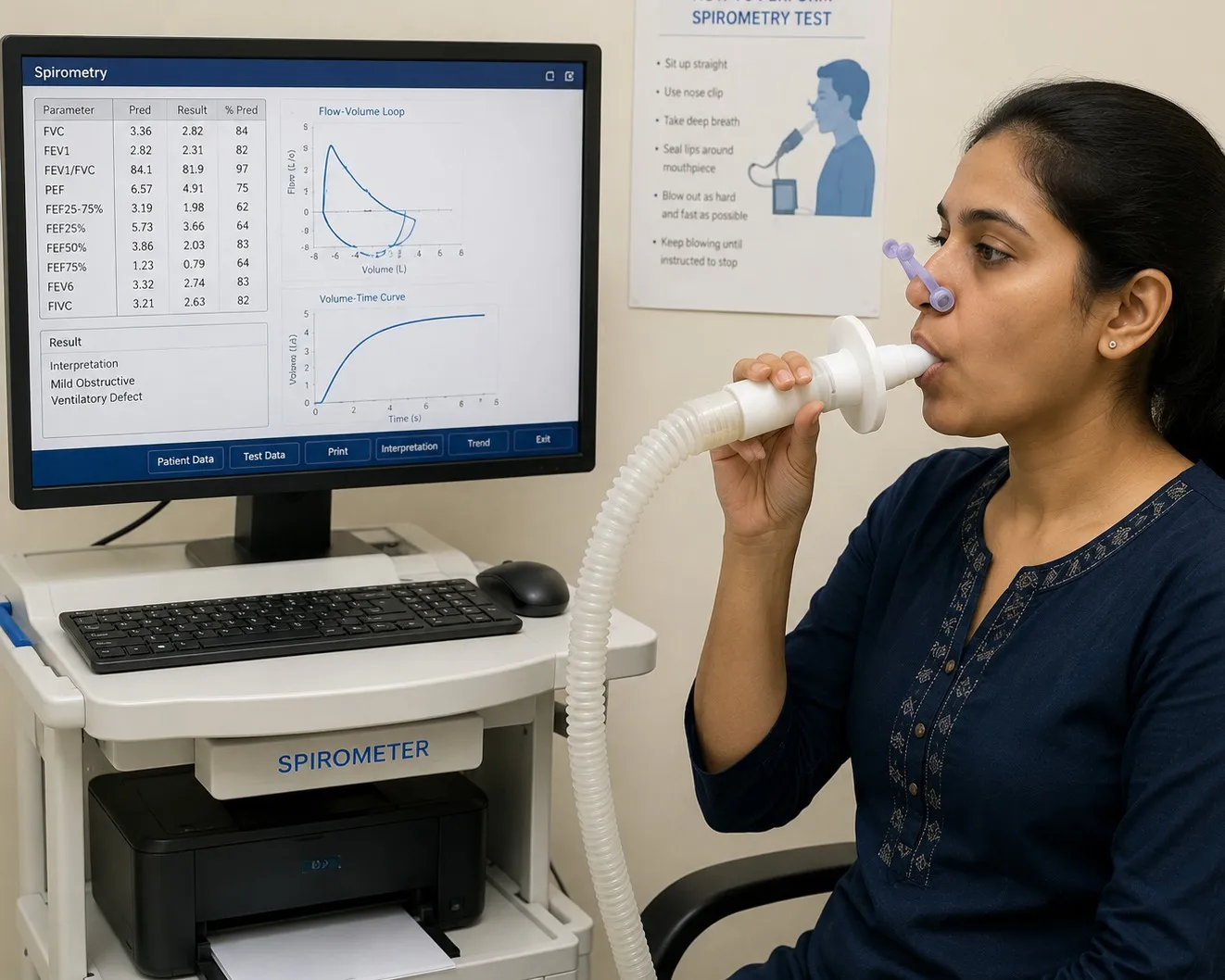
Spirometry
Spirometry is a pulmonary function test used to measure how well the lungs work by assessing the volume and flow of air inhaled and exhaled. It is one of the most common tests for evaluating respiratory health. In the procedure, the patient sits comfortably and breathes through a mouthpiece connected to a spirometer. A nose clip is often used to prevent air leakage through the nose. The spirometer records lung function data and displays the results on a computer screen as graphs and numerical values.